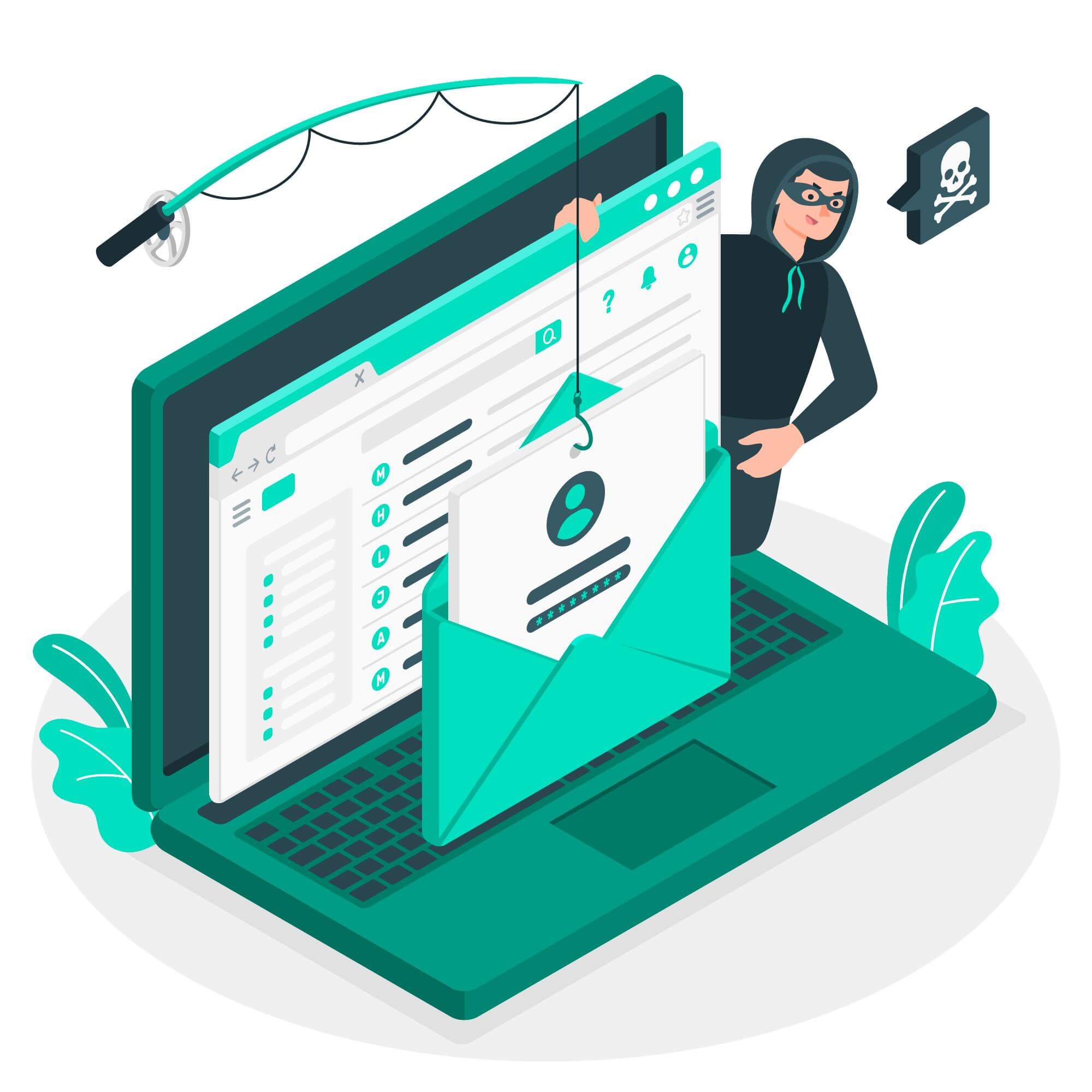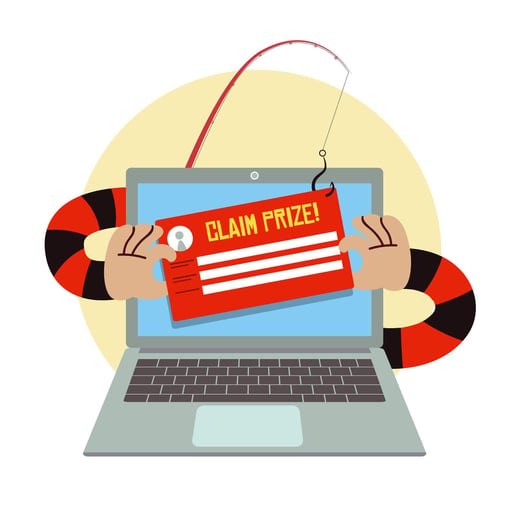






First things first… What are phishing scams and how do phishing scam work? Phishing scams involve fraudulent attempts to obtain sensitive information, such as usernames, passwords, and credit card details, by masquerading as a trustworthy entity in electronic communications.
There are also different types fo phishing scams. These scams often take the form of deceptive emails, texts, or websites that trick recipients into revealing personal information or downloading malicious software.
Even the most common phishing scams can be highly convincing, using professional-looking emails and websites that closely mimic legitimate sources such as banks, online retailers, or popular software providers.
Phishing scams remain one of the most significant cybersecurity threats facing businesses of all sizes.
In this blog, we’ll explore the world of phishing scams and the essential training and testing your business should implement to safeguard against these attacks.
The Impact of Phishing on Businesses
So, what are phishing scams trying to do? Well, phishing attacks can have severe consequences for businesses, including:- Data breaches: Cybercriminals can gain access to sensitive customer or business data.
- Financial losses: Unauthorized transactions and fraud can lead to significant financial damage.
- Reputational damage: A successful phishing attack can harm your business’s reputation and erode customer trust.
- Operational disruptions: Phishing attacks can lead to downtime, affecting productivity and profitability.
5 Essential Parts of Phishing Scam Training for Your Business
Learning how to prevent phishing scams is a must. To protect your business from phishing scams, it’s essential to provide your employees with proper training. This training should include:- Identifying Phishing Attempts: Teach employees how to recognize common signs of phishing scams, such as generic greetings, urgent requests for information, misspelled URLs, and unexpected email attachments.
- Safe Email Practices: Encourage employees to be cautious with email interactions, such as avoiding clicking on suspicious links or downloading attachments from unknown sources.
- Multi-Factor Authentication: Promote the use of multi-factor authentication (MFA) to add an extra layer of security to employee accounts.
- Reporting Suspicious Activity: Establish a clear procedure for employees to report suspected phishing emails to your IT department for further investigation.
- Secure Web Browsing: Educate employees about safe browsing habits, such as verifying website URLs and avoiding websites that request sensitive information.